Can Dynamic Muscle Activation Support Your Fitness Goals?
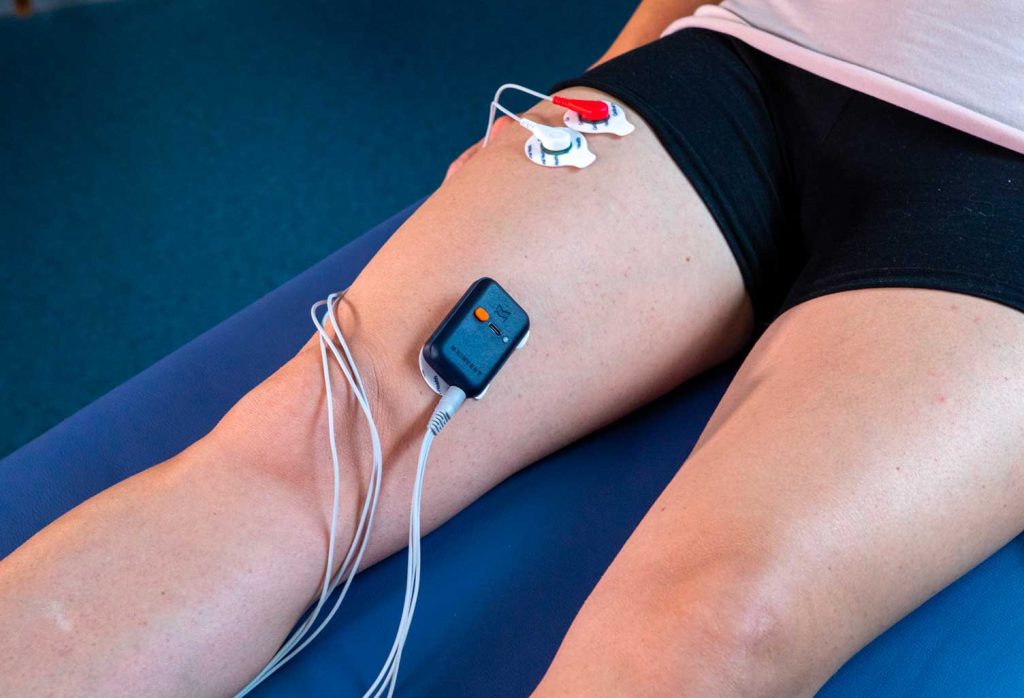
Achieving fitness goals requires a balanced approach that combines physical activity, proper nutrition, consistency, and an understanding of individual body needs. Whether someone wants to improve strength, maintain an active lifestyle, or enhance overall physical performance, choosing suitable fitness strategies is essential. Dynamic Muscle Activation in Dubai is a fitness-related approach that focuses on engaging muscles to support movement, body control, and physical conditioning.
Setting Clear and Realistic Fitness Goals
Every fitness journey begins with a clear understanding of personal objectives. Some individuals want to improve strength, while others prioritize flexibility, mobility, endurance, or general well-being. Useful fitness objectives may include:
Improving overall muscular strength.
Developing better balance and coordination.
Maintaining comfortable movement during daily activities.
Supporting an active lifestyle.
Building confidence when participating in physical exercise.
Supporting Better Movement Coordination
Muscular coordination plays an important role in many forms of physical activity. Different muscle groups contribute to maintaining posture, controlling movement, and keeping the body stable during exercise. When people pay attention to these connections, they may become more mindful of their movement patterns.
Exercises involving controlled body movements can encourage awareness of how the arms, legs, abdomen, and back work together. This awareness is useful during activities such as squatting, stepping, reaching, and carrying everyday objects.
Encouraging Strength and Physical Conditioning
Strength is an important component of physical fitness because it supports everyday tasks and recreational activities. Dynamic movement can involve several muscle groups simultaneously, making coordinated exercises a practical option for people who want to incorporate functional movements into their routines.
Depending on individual ability, suitable activities may include bodyweight exercises, resistance training, controlled lunges, and balance-focused movements. These activities can be adapted to different experience levels and personal objectives.
Promoting Core Stability and Balance
Core muscles contribute to maintaining posture and supporting the body's position during movement. They work alongside muscles in the hips, back, and legs to help stabilize the body during many daily and recreational activities. Examples include:
Standing balance exercises performed near a stable support.
Controlled bodyweight movements.
Exercises that encourage upright posture.
Gentle mobility activities involving the trunk and hips.
Improving Awareness of Muscle Engagement
Understanding which muscles are active during movement can make exercise more purposeful. For example, paying attention to abdominal engagement during a controlled movement may help an individual recognize how the torso contributes to stability.
Body awareness also encourages people to notice unnecessary tension, uneven movement patterns, and discomfort. This does not mean that every movement requires conscious attention to individual muscles. Rather, it involves developing a better understanding of how the body responds to physical demands.
Combining Muscle Activation With Other Fitness Habits
Dynamic muscle activation should complement other elements of physical fitness. Relying on one approach alone may leave important aspects of health and conditioning unaddressed. A balanced fitness routine can include:
Strength training: Supports muscular capacity and functional strength.
Aerobic activity: Encourages cardiovascular fitness through activities such as walking, cycling, or swimming.
Mobility exercises: Help maintain comfortable movement through available joint ranges.
Balance activities: Encourage stability and movement control.
Rest and recovery: Allow individuals to manage training demands and physical fatigue.
Making Fitness Suitable for Different Ability Levels
Fitness needs vary considerably between individuals. Someone beginning an exercise routine may require different activities from a person who regularly participates in resistance training or sports. Age, mobility, previous injuries, and general conditioning can also influence exercise selection.
Beginners can focus on comfortable movements and gradually develop familiarity with physical activity. More experienced individuals may incorporate greater variety or additional resistance when appropriate.
Maintaining Motivation and Consistency
Consistency is an important part of achieving fitness goals. A routine that fits naturally into everyday life is often easier to maintain than an unnecessarily demanding schedule. Choosing enjoyable activities can also encourage continued participation.
Individuals may find it helpful to keep a simple record of completed workouts, exercise preferences, and changes in strength or confidence. Reviewing these notes can help identify habits that support continued engagement.
Recognizing Personal Fitness Limitations
Listening to the body is essential when exploring new exercise approaches. Muscle fatigue can occur during physical activity, but sharp pain, unusual weakness, dizziness, or persistent discomfort should not be ignored.
People with existing injuries, chronic health concerns, or significant movement limitations may need individualized advice before starting unfamiliar exercises. A qualified fitness professional can help select appropriate activities and explain safe movement techniques.
Final Thoughts
Dynamic muscle activation can be a useful concept for individuals who want to improve movement awareness, support muscular coordination, and develop a more purposeful fitness routine. Its relevance depends on how it fits into broader goals involving strength, balance, mobility, and general physical conditioning. With a balanced approach and attention to safe movement, people can work toward meaningful fitness goals while building a healthier relationship with physical activity.