Is Acne Treatment Suitable for Mild and Moderate Acne Types?
Acne is a common skin concern that can appear during adolescence or adulthood, often involving clogged pores, excess oil, and inflammation. Understanding the nature of these concerns helps people make informed skincare decisions, particularly when exploring Acne Treatment in Dubai as part of a personalised approach to healthier-looking skin. Mild and moderate acne can present differently depending on skin type, daily habits, and individual sensitivities. Recognising these differences is an important starting point for choosing suitable care and maintaining a balanced skincare routine.
Understanding Mild and Moderate Acne
Acne is a skin condition associated with blocked hair follicles, oil production, bacteria, and inflammation. Its severity varies from person to person, making it important to distinguish between mild and moderate forms.
Mild acne generally involves a limited number of blackheads, whiteheads, and occasional small pimples. Moderate acne may include more numerous inflamed spots, papules, and pustules across areas such as the forehead, cheeks, chin, and jawline. Identifying the type of acne helps guide appropriate skincare choices.
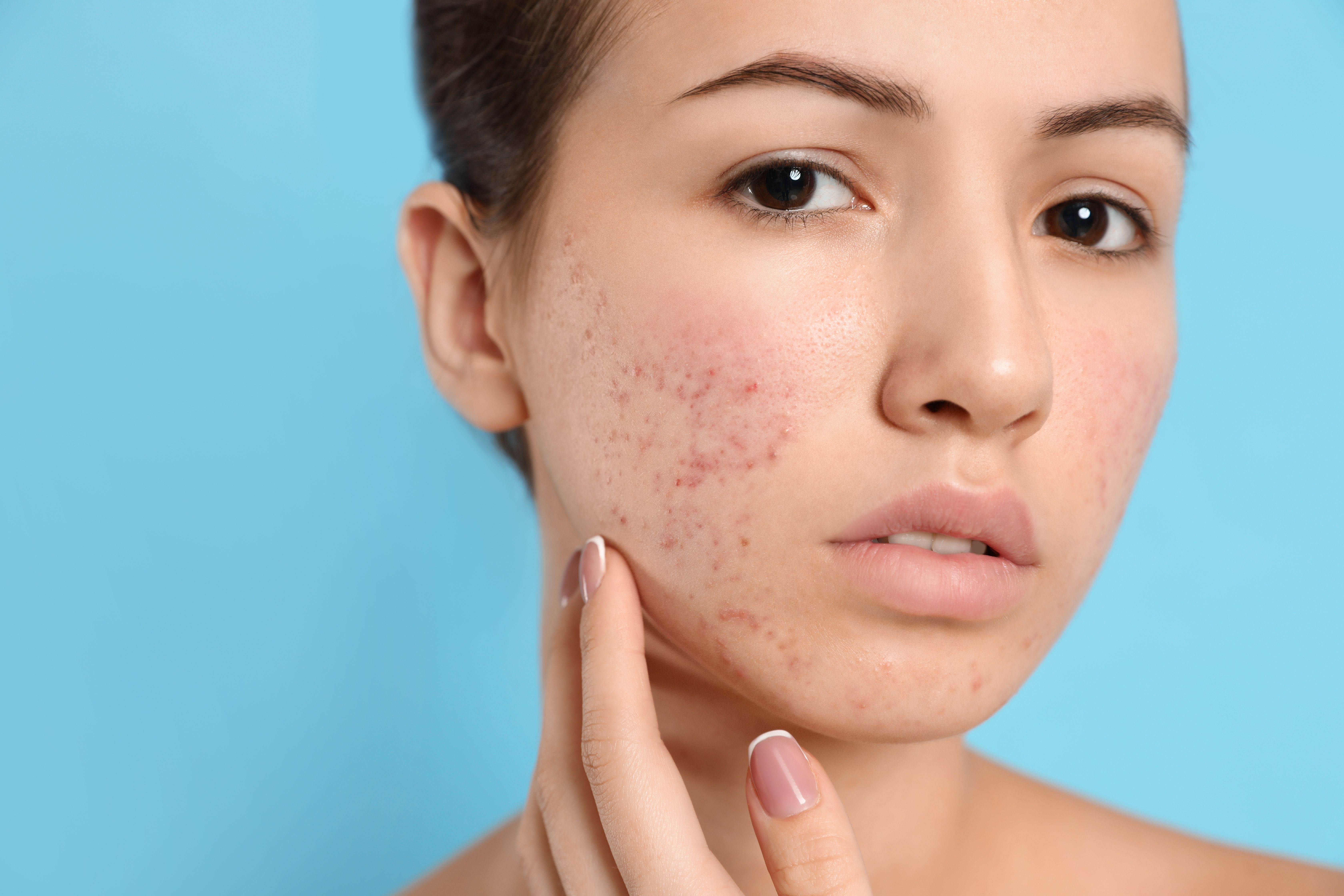
Can Acne Treatment Suit Mild Acne?
Mild acne is often manageable with a consistent skincare routine and suitable over-the-counter products. The primary focus is to keep pores clear, regulate excess oil, and maintain the skin's natural protective barrier.
Gentle cleansing, non-comedogenic moisturisers, and carefully selected active ingredients can be useful components of everyday care. Salicylic acid may help remove dead skin cells from within pores, while benzoyl peroxide can help address acne-associated bacteria. Introducing products gradually can help reduce unnecessary irritation, particularly for sensitive skin.
Is Acne Treatment Appropriate for Moderate Acne?
Moderate acne may require a more structured approach because it often involves a greater number of inflamed blemishes. Basic skincare remains important, but some individuals may need additional support from a qualified healthcare professional to determine suitable treatment options.
Depending on the type and severity of the acne, care may involve topical medications or other medically recommended approaches. Combining products without guidance is not always beneficial, as certain ingredients may cause dryness or irritation when used together.
Common Acne Concerns That May Need Attention
Mild and moderate acne can include several types of blemishes, each associated with different characteristics. Understanding these distinctions helps people recognise their skin concerns more clearly. Common forms include:
Whiteheads: Closed pores containing oil and dead skin cells.
Blackheads: Open pores where trapped material darkens through exposure to air.
Papules: Small, raised, inflamed bumps that may feel tender.
Pustules: Inflamed blemishes containing visible pus.
How Does Skin Type Influence Acne Care?
Skin type can influence how acne-prone skin responds to different products. Oily skin may benefit from lightweight, non-comedogenic formulations, whereas dry or sensitive skin generally requires additional attention to hydration and barrier protection.
People with combination skin may experience oiliness in the forehead, nose, and chin while having drier cheeks. Choosing products according to individual needs can help prevent excessive dryness without adding unnecessary heaviness.
Why Is Gentle Skincare Important?
Acne-prone skin needs consistent care rather than excessive cleansing or repeated exfoliation. A gentle routine helps preserve the skin barrier, which plays an essential role in maintaining hydration and protecting against external irritants.
A practical routine may include a mild cleanser, a suitable moisturiser, and broad-spectrum sunscreen during the day. Sunscreen is particularly relevant for people who experience dark marks after blemishes, as ultraviolet exposure can make pigmentation more noticeable.
Can Lifestyle Habits Support Acne-Prone Skin?
Everyday habits can complement a suitable skincare routine, although acne is not simply a consequence of poor hygiene or lifestyle choices. Helpful habits include:
Washing the face gently after sweating.
Keeping hands away from active blemishes.
Choosing skincare and makeup labelled non-comedogenic.
Removing makeup before sleeping.
Maintaining regular sleep and balanced eating habits.
When Should Professional Advice Be Considered?
Professional guidance can be useful when mild acne persists despite consistent skincare or when moderate acne involves frequent inflammation. An assessment can help distinguish acne from other skin conditions that may look similar.
It is particularly important to seek advice if blemishes are painful, leave scars, spread across larger areas, or cause considerable emotional distress. A healthcare professional can review existing products, identify possible irritants, and recommend suitable options based on the individual's skin and medical history.
Final Thoughts
Acne treatment can be suitable for both mild and moderate acne, provided the approach reflects the individual's skin condition and specific concerns. Mild acne may be managed with gentle skincare and appropriate non-prescription ingredients, while moderate acne can require more targeted support. Understanding the differences between clogged pores, inflamed blemishes, and deeper lesions helps people make informed decisions about their skincare.