What Can Pigmentation Treatment Do for Skin Discoloration?
Skin discoloration can affect the appearance of the complexion, creating uneven patches, dark spots, and areas that look different from the surrounding skin. Pigmentation Treatment in Dubai is a commonly explored option for people who want to address these visible concerns and improve the overall appearance of their complexion. Understanding what pigmentation treatment can do helps individuals identify their skin needs, recognize common pigmentation patterns, and make informed decisions about maintaining a more balanced-looking skin tone.
Understanding Skin Discoloration
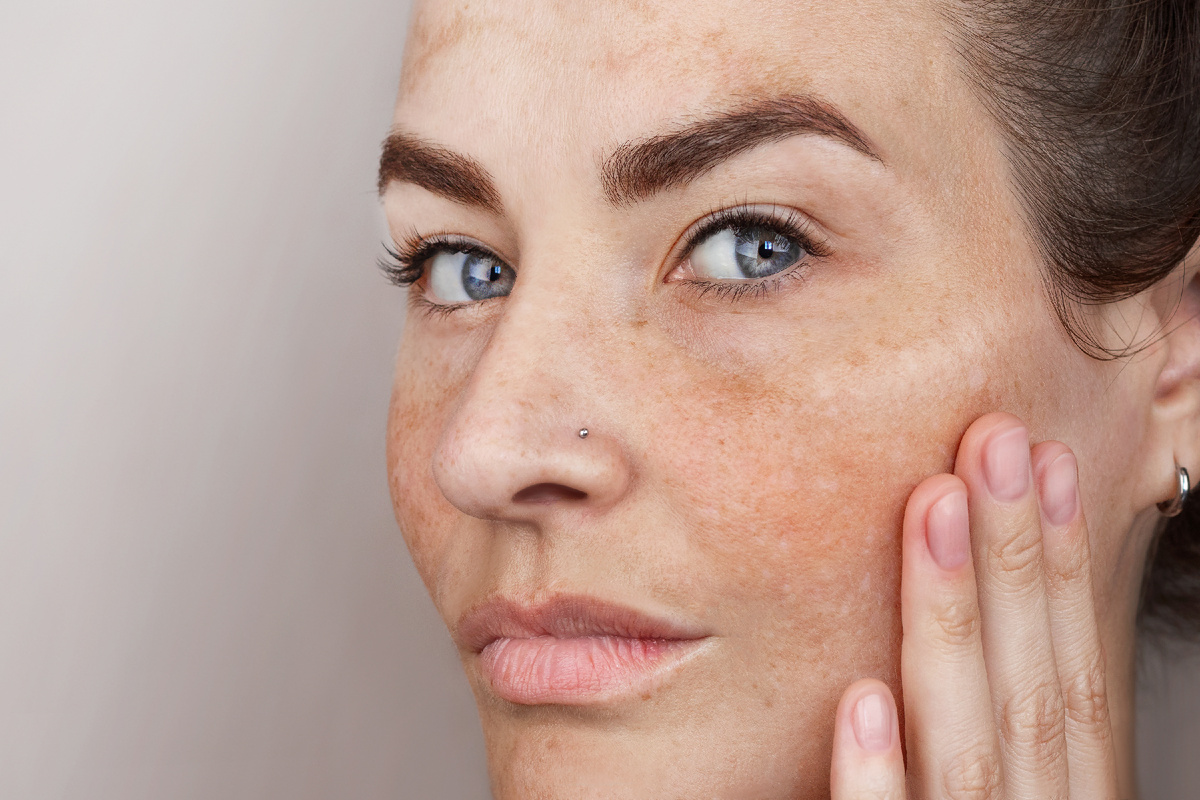
Skin discoloration refers to areas of the skin that appear lighter or darker than the surrounding complexion. It can affect the face, neck, hands, and other exposed areas. Common concerns include:
Dark spots left behind by acne or skin irritation.
Brown patches associated with hormonal changes.
Freckles and sun-related discoloration.
Uneven pigmentation across the cheeks, forehead, or upper lip.
How Can Pigmentation Treatment Improve Skin Tone?
Pigmentation treatments aim to reduce the visibility of unwanted discoloration and support a more even-looking complexion. Depending on the underlying concern and individual skin characteristics, suitable options may help soften the appearance of dark spots and reduce noticeable contrasts between affected and unaffected areas.
The primary goal is not to change a person's natural skin color. Instead, treatment focuses on addressing uneven pigmentation while respecting the skin's natural tone and characteristics.
Addressing Sun-Induced Dark Spots
Regular exposure to ultraviolet radiation can contribute to visible pigmentation, particularly on frequently exposed areas such as the face, shoulders, and hands. Helpful protective habits include:
Applying broad-spectrum sunscreen with SPF 30 or higher.
Wearing a wide-brimmed hat when spending time outdoors.
Seeking shade during periods of intense sunlight.
Reapplying sunscreen as directed, especially after swimming or sweating.
Managing Post-Acne Marks
Acne can leave behind dark marks even after pimples, inflammation, and breakouts have subsided. These marks are often referred to as post-inflammatory hyperpigmentation. They can appear brown, dark red, or greyish, depending on skin tone and the nature of the inflammation.
Suitable pigmentation care may help fade these marks and create a more uniform appearance. Gentle skincare is particularly important because aggressive exfoliation, picking at blemishes, or using irritating products can make discoloration more noticeable.
Supporting Skin Affected by Hormonal Pigmentation
Hormonal changes can contribute to melasma, a condition characterized by brown or grey-brown patches that commonly appear on the cheeks, forehead, nose, and upper lip. Sunlight and visible light may aggravate this condition, making discoloration more persistent.
Pigmentation treatments may help manage the appearance of melasma, although this concern can be difficult to control and may recur. Individual skin characteristics, hormonal influences, and environmental exposure can affect how well pigmentation responds to care.
Improving the Appearance of Uneven Facial Pigmentation
Uneven facial pigmentation can make the complexion appear patchy, especially when darker areas contrast with surrounding skin. Depending on the type of pigmentation, commonly considered ingredients include:
Niacinamide: Helps support the skin barrier and may improve the appearance of uneven tone.
Vitamin C: An antioxidant that can help brighten the appearance of dull skin.
Azelaic acid: May help address acne-related discoloration and certain forms of uneven pigmentation.
Retinoids: Can support skin renewal and help improve some pigmentation concerns, although irritation is possible.
Helping Maintain a Clearer-Looking Complexion
Pigmentation care can contribute to a complexion that appears more consistent and refreshed. When dark marks become less noticeable, differences in skin tone may appear less pronounced, allowing the natural complexion to look more balanced.
Nevertheless, pigmentation is only one aspect of overall skin appearance. Dryness, irritation, acne, and a weakened skin barrier can also affect how smooth or clear the skin looks.
Choosing an Approach for Different Skin Types
Skin type and sensitivity influence which pigmentation options may be appropriate. Oily, dry, combination, and sensitive skin can respond differently to active ingredients and targeted treatments. Important considerations include:
Existing skin sensitivity and dryness.
The location and appearance of discoloration.
A history of acne, eczema, or skin irritation.
Previous reactions to skincare ingredients.
Preventing Pigmentation From Becoming More Noticeable
Managing existing discoloration is only one part of maintaining a more even complexion. Everyday habits can also influence whether pigmentation becomes darker or new marks develop.
Sun protection is essential, while gentle skincare helps minimize irritation. People experiencing sudden changes in skin color, rapidly developing spots, or unusual lesions should seek medical assessment rather than assuming the changes are ordinary pigmentation.
Final Thoughts
Pigmentation treatment can help address several forms of skin discoloration, including sun spots, acne marks, hormonal patches, and uneven facial pigmentation. Its purpose is to support a more balanced-looking complexion while preserving the skin's natural characteristics. The most appropriate approach depends on the cause, depth, and location of discoloration, as well as individual skin sensitivity. Combining suitable pigmentation care with sun protection and gentle daily skincare can help maintain a healthier-looking appearance.