What Makes Jawline Contouring a Choice for Facial Harmony?
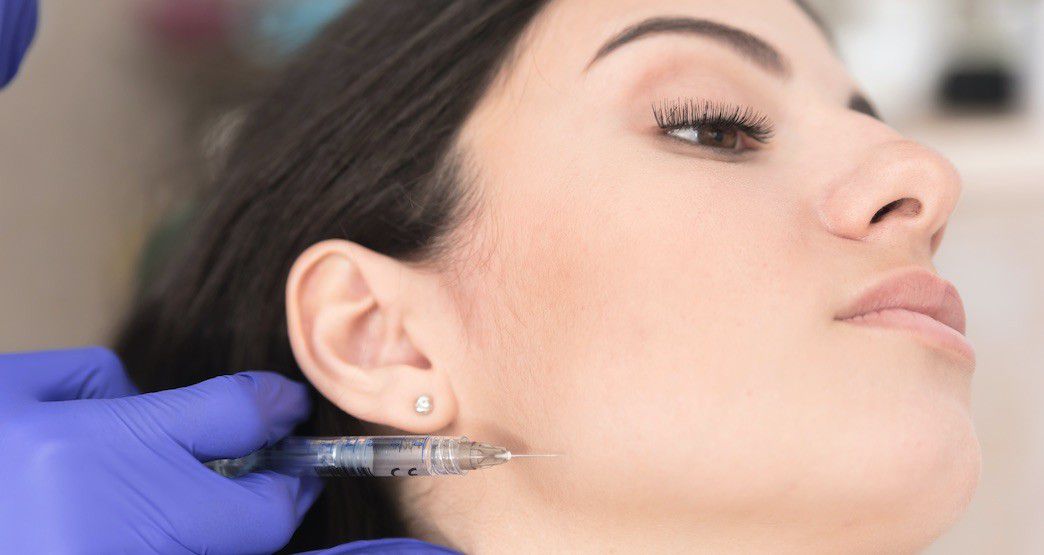
Facial harmony refers to the balanced relationship between different facial features, including the cheeks, chin, jaw, forehead, and nose. When these features complement one another, the face can appear naturally proportioned and well-defined. Many people pay attention to their jawline because it contributes significantly to the overall facial outline. For individuals exploring aesthetic enhancements, Jawline Contouring Injections in Dubai may be a consideration when seeking greater definition while maintaining their natural appearance.
Why the Jawline Matters in Facial Appearance
The jawline forms the lower boundary of the face and helps establish its overall shape. Its appearance can influence how the chin, cheeks, and neck relate to one another. A clearly defined jawline may create a more structured appearance, while a softer outline can contribute to a rounded or gentle facial look.
The importance of the jawline depends on individual preferences and natural anatomy. Some people appreciate a sharp, angular contour, whereas others prefer subtle definition that preserves their softer features.
The Connection Between the Jawline and Facial Proportions
Facial proportions influence how different features are perceived together. Important aspects of facial proportions include:
Chin alignment: The chin contributes to the shape and visual balance of the lower face.
Cheekbone prominence: The relationship between the cheeks and jaw affects facial definition.
Facial width: The width of the jaw influences whether the face appears rounded, oval, or angular.
Overall symmetry: The visual relationship between the left and right sides contributes to perceived balance.
These characteristics demonstrate why facial harmony is a personal concept rather than a single standard of beauty.
Why Jawline Contouring Appeals to Different People
People have different reasons for paying attention to their jawline. Some prefer a more noticeable lower facial outline, while others want their features to appear more proportionate. Personal style, cultural beauty preferences, and individual confidence can all influence these choices.
Jawline contouring appeals to people who value facial definition but do not necessarily want an exaggerated appearance. A subtle aesthetic preference may focus on maintaining the natural character of the face rather than pursuing dramatic angles.
The Appeal of a Defined Yet Natural Jawline
A defined jawline can create a visual impression of structure, but excessive sharpness does not suit everyone. Natural-looking facial harmony depends on how well the lower face complements other features. A contour that appears attractive on one person may look disproportionate on another because facial anatomy varies considerably.
Natural definition can be especially appealing to individuals who want their features to remain recognizable and consistent with their personal appearance.
Jawline Shape and Individual Facial Characteristics
Every face has distinctive characteristics that influence its overall appearance. Common jawline characteristics include:
Rounded jawlines with softer transitions between facial areas.
Angular jawlines with more noticeable corners and edges.
Narrow lower faces with a delicate overall outline.
Broader jawlines that contribute to a stronger facial silhouette.
The Relationship Between the Jawline and Chin
The chin and jawline work together to establish the shape of the lower face. Their proportions influence the appearance of the side profile as well as the face from the front. A chin that appears relatively prominent may create a different visual balance from one that blends softly into the surrounding contours.
For this reason, jawline aesthetics should not be considered separately from chin shape. The relationship between these features can affect how defined, elongated, or rounded the lower face appears.
Confidence and Personal Aesthetic Preferences
Personal appearance can influence how individuals express themselves and feel about their features. For some people, paying attention to the jawline reflects a desire for greater facial definition. For others, it is simply an interest in understanding facial proportions and contemporary aesthetic preferences.
Confidence, however, does not depend on having a particular jaw shape. Rounded, angular, narrow, and broad jawlines can all contribute to attractive and distinctive appearances.
Common Misconceptions About Jawline Harmony
One common misconception is that a sharper jawline automatically creates a more attractive face. It is also important to remember that:
A softer jawline can complement delicate facial features.
A broader jawline can provide balance to prominent cheekbones.
Facial harmony does not require perfectly symmetrical features.
Individual preferences are more meaningful than following a single beauty standard.
Choosing a Balanced Perspective on Facial Aesthetics
Exploring jawline contouring begins with understanding what facial balance means on an individual level. Rather than focusing exclusively on trends, people can consider how their natural features work together and which aspects of their appearance they appreciate most.
A balanced perspective also recognizes that aesthetic treatments are not necessary for everyone. Anyone considering an injectable treatment should understand its potential risks, suitability, and limitations through an appropriately qualified healthcare professional.
Final Thoughts
Jawline contouring has attracted interest because the lower face plays an important role in overall facial proportions. Its relationship with the chin, cheeks, and surrounding features contributes to the visual structure of the face. However, facial harmony does not require sharp angles, perfect symmetry, or conformity to a particular beauty ideal. The most meaningful approach is to appreciate individual facial characteristics and understand how different proportions contribute to a person's appearance.