What Makes Yellow Peel a Choice for Skin Brightening Needs?
Achieving a brighter, more even-looking complexion is a common skincare goal for people dealing with dullness, uneven pigmentation, and visible discoloration. Yellow peel has gained attention as an option for individuals who want to improve their skin's overall appearance and support a smoother-looking complexion. Choosing Yellow Peel in Dubai may appeal to those seeking a targeted approach to concerns such as uneven skin tone and a lack of radiance.
Supporting a Brighter-Looking Complexion
A dull appearance can make facial skin look tired or less vibrant. Environmental exposure, accumulated dead skin cells, and inconsistent skincare habits may contribute to this concern. Yellow peel is associated with skin renewal and is often discussed as an option for people seeking a fresher-looking complexion.
However, brightness does not necessarily mean making the skin lighter than its natural shade. Healthy-looking skin is generally characterized by a more balanced tone, a comfortable texture, and a natural glow.
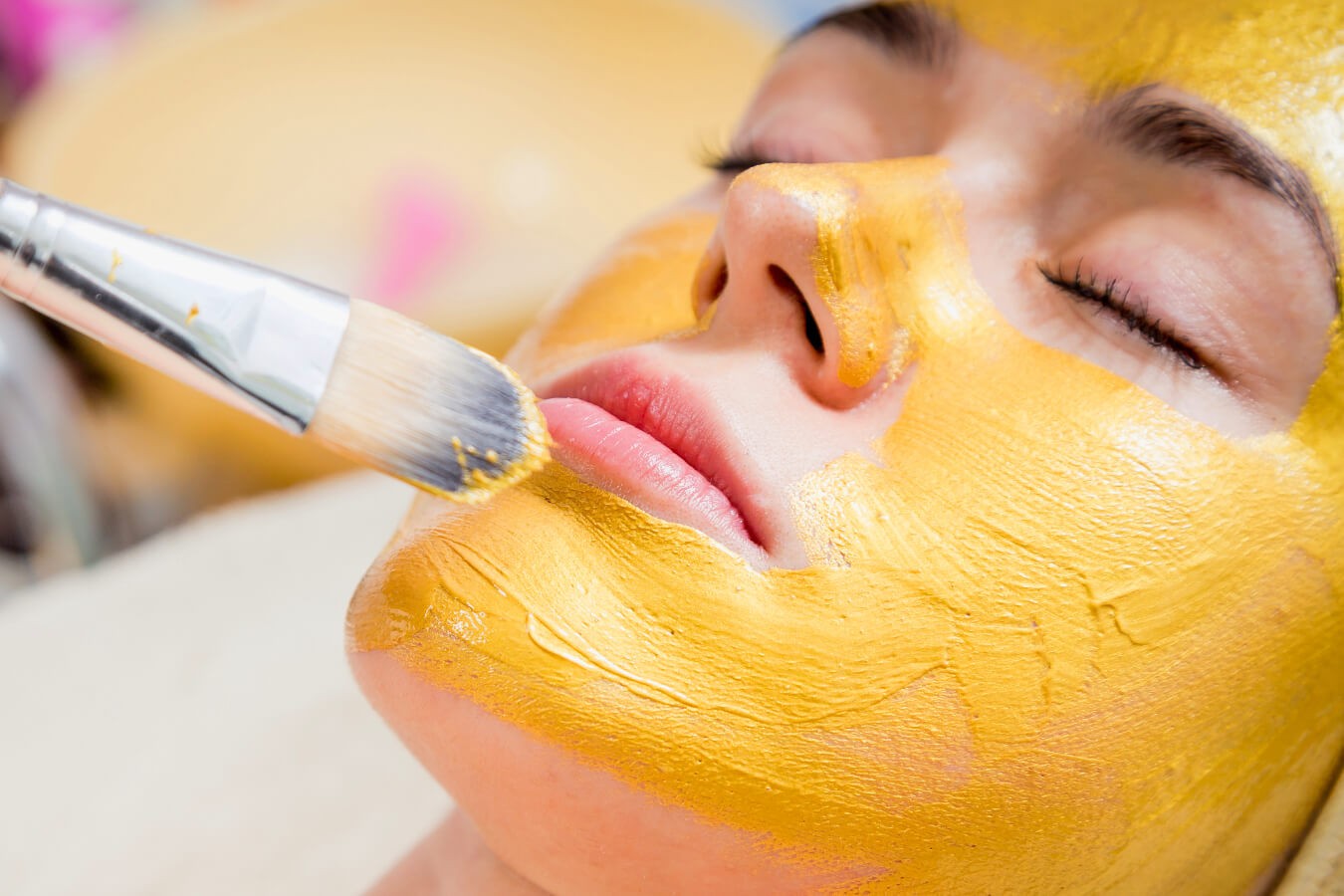
Helping Address Visible Pigmentation Concerns
Pigmentation concerns vary from person to person. Some individuals notice lingering marks after acne, while others experience patches associated with sun exposure or melasma. Because these conditions have different underlying causes, they require careful assessment before selecting a suitable skincare option.
Yellow peel may be considered for certain pigmentation-related concerns, depending on the ingredients used and the individual's skin condition.
Why Skin Texture Matters for Brightness
Skin brightness is influenced by more than pigmentation alone. Roughness, dryness, and an uneven surface can affect how light reflects across the face, making the complexion appear less radiant.
Individuals should also remember that aggressive exfoliation is not necessarily better. Excessive irritation can make the skin uncomfortable and may contribute to discoloration, particularly in complexions that are prone to post-inflammatory hyperpigmentation.
Considering Different Skin Types
Not every skin type responds to exfoliating treatments in the same way. Oily, dry, combination, and sensitive skin can have different needs, so understanding individual characteristics is an important part of skincare planning. Important considerations include:
Sensitive skin: A history of irritation may require additional caution.
Dry skin: An already weakened skin barrier can increase discomfort.
Oily skin: Excess oil does not automatically mean a peel is suitable.
Pigmentation-prone skin: Irritation may worsen existing dark marks.
Acne-prone skin: Active inflammation should be assessed carefully.
The Importance of Skin Barrier Health
The skin barrier helps retain moisture and protect the surface from external irritants. When this protective layer is compromised, the skin may become dry, tight, sensitive, or visibly irritated.
People interested in skin brightening should prioritize barrier health instead of focusing exclusively on pigmentation. A compromised barrier can make the complexion appear uneven and may increase the risk of adverse reactions to exfoliating ingredients.
Combining Brightening Goals With Sun Protection
Sun exposure is an important contributor to uneven pigmentation and premature skin changes. Helpful habits include:
Applying broad-spectrum sunscreen with SPF 30 or higher each morning.
Reapplying sunscreen outdoors according to product directions.
Wearing protective clothing and seeking shade during intense sunlight.
Avoiding unnecessary tanning and prolonged direct sun exposure.
Setting Realistic Expectations for Skin Brightening
Skin concerns rarely have one universal solution. The appearance of pigmentation can depend on its depth, cause, duration, and the individual's natural skin characteristics. Consequently, yellow peel should not be viewed as a guaranteed way to eliminate every dark mark or create an identical complexion across different skin types.
A realistic approach focuses on gradual skincare improvement, skin comfort, and appropriate management of the underlying concern. Some pigmentation conditions may require alternatives or additional medical evaluation.
Choosing a Skin-Brightening Approach Carefully
Selecting a suitable option involves more than identifying a treatment associated with radiance. Individuals should understand their primary concern and consider whether it relates to pigmentation, texture, dryness, inflammation, or another skin condition.
Those with active skin infections, open wounds, significant irritation, or certain inflammatory skin conditions may need to postpone exfoliating treatments. Careful selection helps prioritize skin safety alongside cosmetic goals.
Final Thoughts
Yellow peel can be an option worth discussing for individuals interested in addressing selected pigmentation concerns, uneven texture, and a dull-looking complexion. Its appeal lies in its potential role within a personalized skincare plan rather than the promise of universal or immediate brightening. Professional guidance can help determine whether yellow peel is suitable or whether another option would be more appropriate.