What Skin Concerns Can Microneedling Help Address?
Healthy-looking skin is often associated with a smooth texture, balanced tone, and a naturally refreshed appearance. However, concerns such as enlarged pores, uneven pigmentation, acne scars, and fine lines can affect how the skin looks and feels. Microneedling has become a popular option for people interested in addressing several common skin imperfections. Individuals exploring Microneedling in Dubai may want to understand which concerns this treatment can help manage and whether it suits their particular skin needs.
Acne Scars and Uneven Skin Texture
Acne can leave behind marks and indentations that remain noticeable long after active breakouts have subsided. These scars may create an uneven surface, making the skin appear rough or irregular.
The suitability of this approach depends on the depth, shape, and severity of the scarring. Deep or narrow scars may require a different treatment approach. Understanding the specific characteristics of acne scars is important when considering options for improving the appearance of uneven skin.
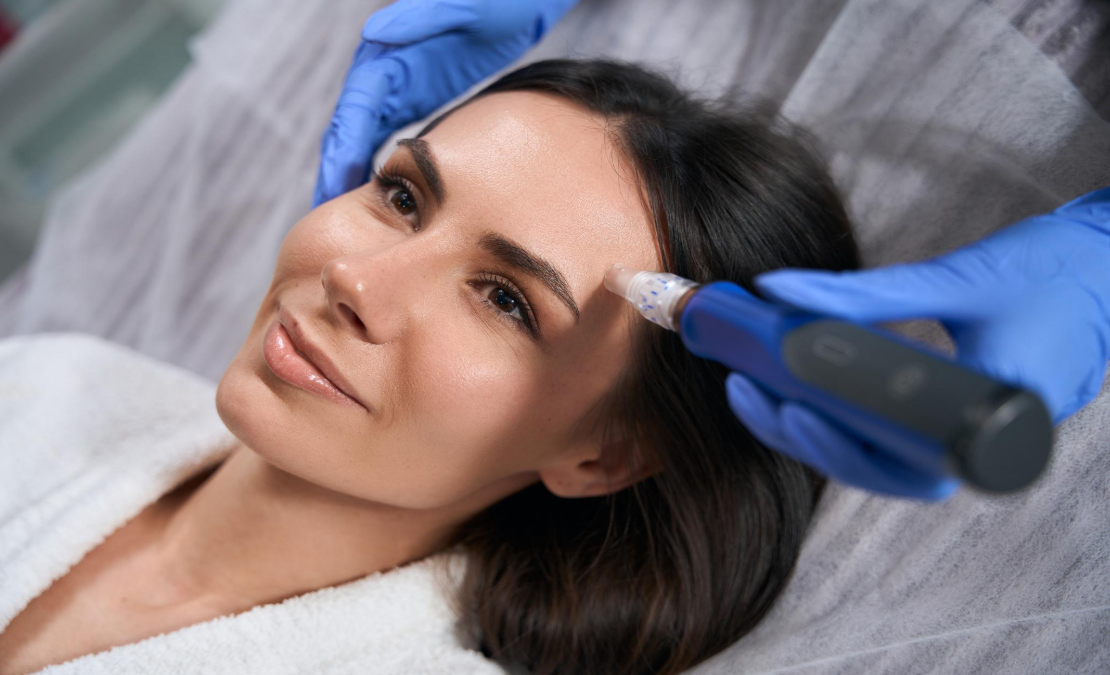
Fine Lines and Early Signs of Aging
Fine lines are a natural part of aging and can become more noticeable around the eyes, forehead, and mouth. Environmental exposure, repetitive facial expressions, and changes in skin structure can also contribute to their appearance.
Microneedling may help improve the appearance of certain fine lines and mild textural changes. It is generally considered more appropriate for subtle surface concerns than for pronounced folds or significant skin laxity. People interested in maintaining a smoother-looking complexion may consider how this option fits into a broader skincare approach.
Enlarged Pores and Rough Skin
Visible pores are a common concern, particularly around the nose, cheeks, and forehead. Factors that influence pore visibility include:
Excess sebum production.
Accumulated dead skin cells.
Reduced elasticity around pore openings.
Natural skin characteristics and genetics.
Uneven Skin Tone and Pigmentation
Uneven pigmentation can develop when melanin is distributed irregularly across the skin. Sun exposure, hormonal changes, inflammation, and previous acne breakouts may contribute to dark spots or patchy coloration.
Microneedling may have a role in managing selected pigmentation concerns, depending on their underlying cause and the individual's skin characteristics. However, it is not suitable for every type of discoloration. Melasma and pigmentation-prone skin require particular care because irritation may sometimes worsen dark patches.
Post-Acne Marks and Dark Spots
Dark marks left after acne are often mistaken for permanent scars. In many cases, these marks represent post-inflammatory hyperpigmentation, which develops after the skin experiences inflammation.
People with darker skin tones or a history of persistent pigmentation should be especially cautious about treatments that may trigger inflammation. Appropriate professional assessment can help distinguish discoloration from scarring and guide the choice of suitable skincare options.
Dullness and Lack of Skin Radiance
A complexion may appear dull because of dryness, accumulated dead skin cells, environmental exposure, or an inconsistent skincare routine. Although dullness is not always a medical skin concern, it can affect the overall appearance of the face.
Microneedling may be considered when dull-looking skin is accompanied by textural irregularities. However, it should not be viewed as a universal solution for every cause of reduced radiance. Hydration, gentle cleansing, suitable moisturizers, and sun protection are also essential elements of maintaining a healthy-looking complexion.
Mild Skin Texture Irregularities
Skin texture varies naturally between individuals. Some people experience rough patches, small surface irregularities, or an uneven feel that makes their complexion appear less uniform. Possible causes of irregular texture include:
Previous acne and inflammation.
Congested pores.
Dryness and a weakened skin barrier.
Certain skin conditions that require specific care.
Stretch Marks and Changes in Skin Appearance
Stretch marks develop when the skin stretches or changes rapidly, leaving visible lines that may initially appear reddish or purple before becoming lighter. They can occur on the abdomen, thighs, hips, breasts, and upper arms.
Microneedling is sometimes considered for improving the appearance of stretch marks by addressing associated textural differences. Stretch marks are common and are not generally harmful. People considering treatment should understand that their visibility may be reduced in some cases, but complete removal should not be expected.
Who May Need Extra Caution?
Although microneedling can be considered for several cosmetic skin concerns, it is not appropriate for everyone. Extra caution is important for individuals who have:
Active acne breakouts or skin infections.
Open wounds, cuts, or significant irritation.
A tendency to develop raised scars or keloids.
Certain inflammatory skin conditions.
A history of pigmentation worsening after skin irritation.
Choosing an Approach for Individual Skin Concerns
Different skin concerns often require different approaches, even when they appear similar. For example, acne scars may involve depressions in the skin, whereas post-acne marks primarily involve discoloration.
Understanding these differences helps establish realistic expectations and reduces the risk of choosing an unsuitable option. A personalized skincare plan may include appropriate topical products, sun protection, or other professionally recommended treatments.
Final Thoughts
Microneedling may help address selected skin concerns, including certain acne scars, fine lines, enlarged pores, uneven texture, and some pigmentation-related issues. It may also be considered for specific stretch marks and other surface irregularities. Not every skin imperfection responds in the same way, and some conditions require alternative approaches. Distinguishing between scars, discoloration, active skin conditions, and ordinary textural variations is an important part of choosing appropriate care.