What Skin Concerns Can Pico Laser Treatment Help Address?
Maintaining clear, even-toned skin can be challenging when pigmentation, acne marks, sun damage, and uneven texture become more noticeable. Various factors can influence the skin's appearance, including environmental exposure, hormonal changes, ageing, and previous breakouts. Pico Laser Treatment in Dubai is an option that people explore when looking for ways to address selected skin imperfections without relying solely on traditional skincare products. Its suitability depends on individual skin characteristics and the specific concern being addressed.
Sunspots and Sun Damage
Prolonged exposure to ultraviolet radiation can contribute to visible pigmentation, particularly on areas that receive frequent sunlight, such as the face, hands, shoulders, and neck. These spots may appear as flat, brown patches that become more noticeable with age.
Pico laser treatments may be considered for selected sunspots and other forms of superficial pigmentation. However, not every dark spot is caused by sun exposure.
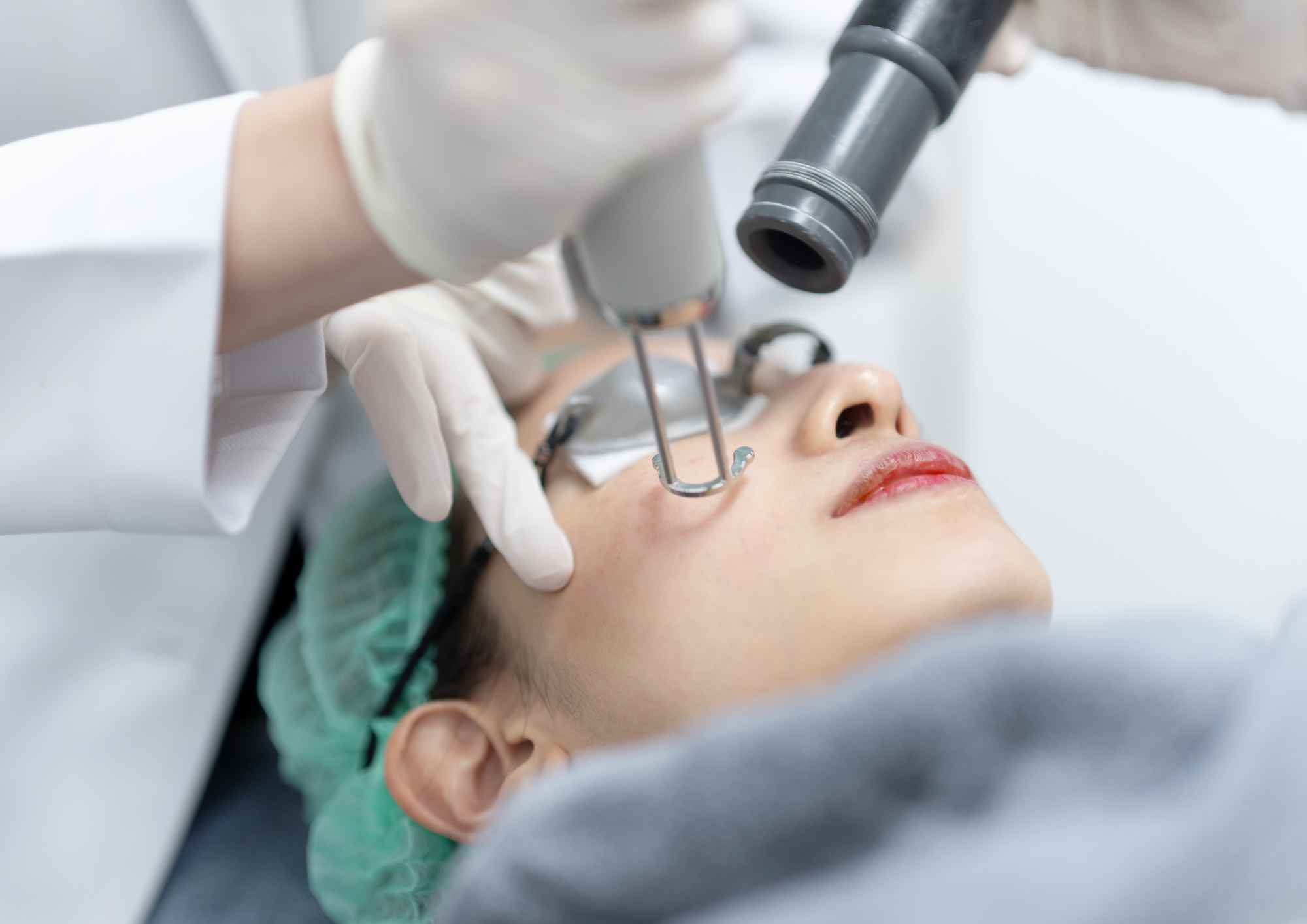
Uneven Skin Tone
An uneven complexion can develop when certain areas of the skin appear darker than others. This variation may result from sun exposure, inflammation, hormonal influences, or the lingering effects of previous skin irritation.
Pico laser technology may help address particular pigment-related irregularities, supporting a more balanced-looking complexion in suitable individuals. Nevertheless, uneven skin tone can have several underlying causes, so identifying the source of discoloration is important when considering appropriate skincare options.
Melasma and Hormonal Pigmentation
Melasma is a pigmentation condition characterised by brown or grey-brown patches, commonly appearing on the cheeks, forehead, upper lip, and chin. Hormonal changes and ultraviolet exposure can contribute to its development, making it a persistent concern for many people.
Laser-based approaches may be considered in carefully selected cases, but melasma requires particular caution. Some laser treatments can aggravate pigmentation, especially in individuals prone to post-inflammatory discoloration.
Acne Marks and Post-Inflammatory Hyperpigmentation
Acne can leave behind dark marks even after active breakouts have settled. Common acne-related concerns include:
Brown or dark marks left by healed pimples.
Uneven pigmentation following skin inflammation.
Persistent discoloration associated with recurring breakouts.
Freckles and Localised Pigmentation
Freckles are small, concentrated areas of pigmentation that often become more visible after sun exposure. While some people appreciate their natural appearance, others prefer a more uniform complexion.
Pico laser treatment may be considered for certain freckles and localised pigment spots, depending on their characteristics and the individual's skin type. Not all freckles require treatment, and any spot that changes in size, shape, colour, or appearance should receive a medical assessment rather than being assumed to be a harmless cosmetic concern.
Post-Inflammatory Skin Discoloration
Skin inflammation can leave temporary or persistent colour changes after conditions such as eczema, irritation, insect bites, or minor injuries. These changes may appear darker or, in some cases, lighter than the surrounding skin.
Some forms of excess pigmentation may respond to carefully selected laser treatments. However, treating skin that remains inflamed or irritated can increase the risk of further discoloration. Identifying the original cause and ensuring that the skin condition is appropriately managed are important considerations before exploring cosmetic options.
Acne Scars and Uneven Texture
Acne scars can create depressions, shallow indentations, or irregularities across the skin's surface. Unlike flat acne marks, these changes involve differences in skin texture and structure.
Certain pico laser platforms, particularly those designed for fractional applications, may be considered for selected textural concerns and acne scarring. Suitability depends on the scar type, its depth, the person's skin characteristics, and the device being used.
Enlarged-Looking Pores
Pores are natural openings in the skin that allow oil and other substances to reach the surface. Their appearance can become more noticeable because of excess oil, congestion, reduced skin elasticity, or changes in surrounding tissue.
Some laser technologies may help improve aspects of skin texture, potentially making pores appear less prominent in selected cases. However, pore size is influenced by several factors, and pico laser treatment should not be considered a guaranteed method of eliminating visible pores. Appropriate skincare remains relevant to managing oiliness and congestion.
Tattoo-Related Pigmentation
Although tattoos are different from naturally occurring skin concerns, unwanted tattoo pigment is another issue associated with pico laser technology. Certain devices are designed to target tattoo inks, with suitability influenced by the ink colour, depth, composition, and characteristics of the tattoo.
Tattoo pigment removal is distinct from treating facial pigmentation or acne marks. Different inks may respond differently, and complete clearance cannot be guaranteed.
Skin Concerns That Need Careful Assessment
Not every visible skin change is appropriate for cosmetic laser treatment. Some conditions may require medical management, while others can become more noticeable if the skin is treated incorrectly. Important considerations include:
Active irritation, inflammation, or infection.
Pigmentation that worsens after previous cosmetic treatments.
Unexplained or changing dark spots.
Skin conditions that may be aggravated by laser exposure.
Final Thoughts
Pico laser technology may be relevant to several skin concerns, including selected sunspots, freckles, acne-related pigmentation, uneven skin tone, and certain textural irregularities. Melasma, deeper acne scars, and persistent discoloration require particularly careful consideration because they may not respond consistently to laser treatment. Understanding the difference between pigmentation, scarring, and active skin conditions is essential when exploring available options.