What Skin Concerns Can Under Eye Fillers Help Address?
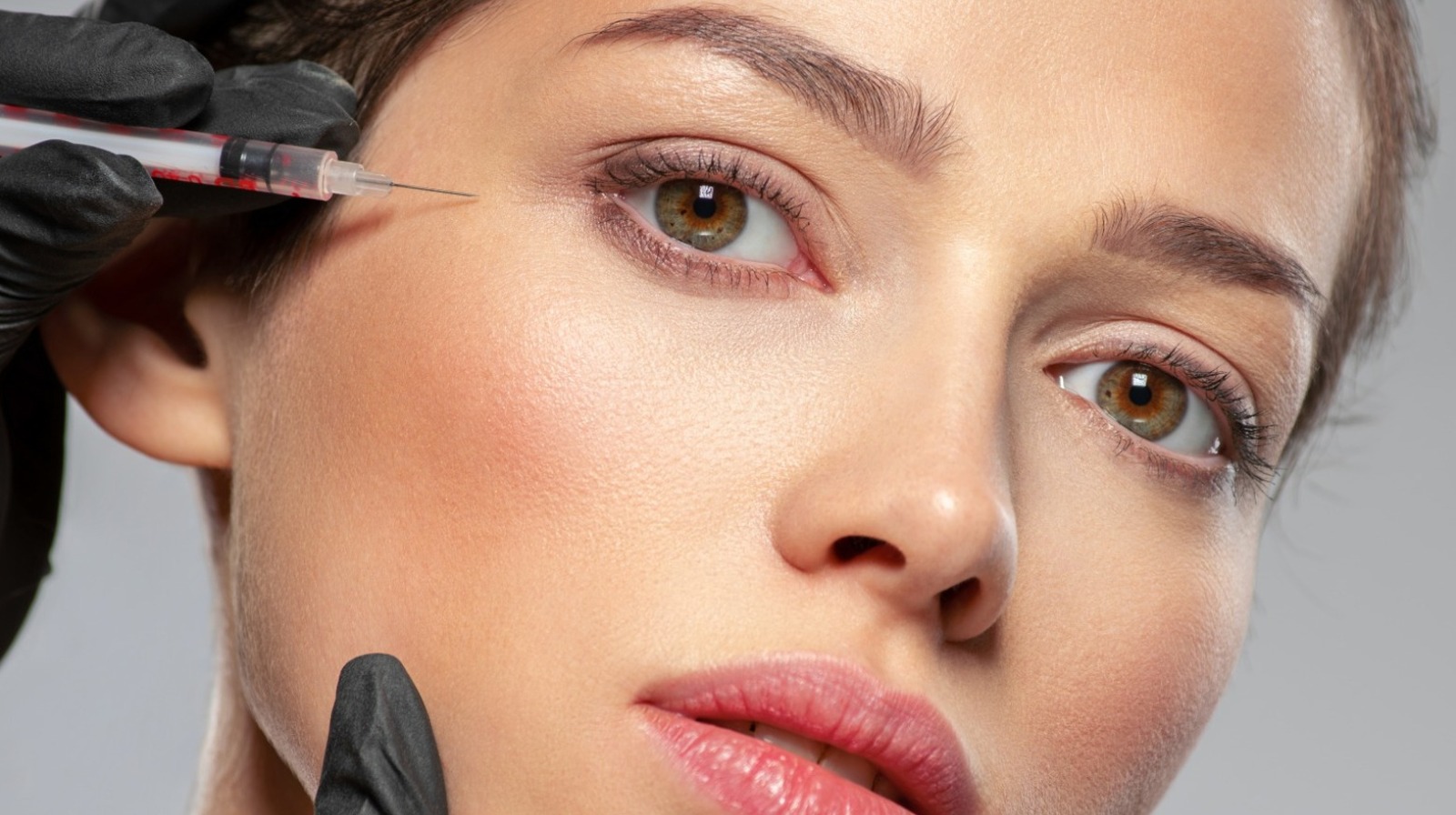
The delicate skin beneath the eyes can influence the overall appearance of the face, making a person look tired, stressed, or older than they feel. Factors such as genetics, facial structure, pigmentation, and natural changes in skin volume can contribute to several under-eye concerns. Understanding these differences helps individuals explore suitable aesthetic options. Under Eye Fillers in Dubai are often discussed by people interested in addressing hollow-looking areas, tear trough depressions, and certain shadows beneath the eyes.
Tear Trough Depressions
The tear trough is the natural groove extending from the inner corner of the eye toward the upper cheek. When this area appears deeply indented, it can create visible shadows that affect facial balance.
Uneven contours: A pronounced groove may create an abrupt transition between the lower eyelid and cheek.
Visible indentations: Deeper tear troughs can make the under-eye area appear less smooth.
Facial imbalance: Noticeable depressions may contrast with the fullness of the surrounding cheeks.
Tired-Looking Eyes
A tired appearance does not always indicate fatigue or inadequate sleep. Facial anatomy, under-eye shadows, and naturally hollow contours can contribute to an expression that looks weary even when someone feels refreshed.
When these concerns are primarily related to volume deficiency, fillers may be considered as part of an individualized aesthetic approach. However, tired-looking eyes can also result from allergies, sleep disturbances, or other factors that fillers cannot address. Identifying the main contributor is therefore important before considering treatment.
Shadows Beneath the Eyes
Shadows under the eyes can develop when the skin follows a recessed contour, allowing light to create darker areas beneath the lower eyelids. These shadows may become more noticeable under particular lighting conditions or when the facial structure creates a deeper groove.
Addressing the underlying contour may help selected individuals with shadowing caused by hollowness. Nevertheless, shadows caused by pigmentation, visible blood vessels, or naturally thin skin require a different assessment.
Uneven Under-Eye Contours
The under-eye region does not always have symmetrical contours. One side may appear more hollow than the other because of natural facial asymmetry, differences in bone structure, or variations in soft tissue distribution.
Fillers may be considered when unevenness is associated with a suitable area of volume deficiency. However, perfect symmetry is not a realistic expectation, since facial features naturally differ from one side to the other. A balanced assessment considers the entire face rather than focusing exclusively on a single indentation beneath the eyes.
Mild Volume Deficiency Near the Cheeks
The lower eyelids and upper cheeks form a connected facial area. When the upper cheek has limited fullness, the transition between the eye and cheek may appear less gradual, emphasizing the tear trough.
In selected cases, an aesthetic assessment may identify volume deficiency around the upper cheek as a contributing factor. This distinction highlights why individual facial anatomy matters when determining whether fillers are suitable for a particular concern.
Concerns That Fillers May Not Address
Although fillers can be relevant to certain structural concerns, they are not a universal solution for every under-eye issue. Recognizing their limitations helps establish realistic expectations. Concerns that may require different approaches include:
Dark pigmentation: Brown discoloration associated with melanin may not improve through volume correction.
Pronounced eye bags: Bulging fat pads or significant puffiness can become more noticeable when additional volume is introduced.
Loose skin: Excess skin and prominent wrinkles may require options specifically suited to skin laxity.
Allergy-related swelling: Persistent puffiness associated with allergies needs attention to its underlying cause.
The Importance of Individual Facial Anatomy
The under-eye area contains delicate tissues and has considerable variation between individuals. Skin thickness, bone structure, cheek projection, natural asymmetry, and existing puffiness can all influence its appearance.
For this reason, two people with similar-looking dark circles may not be suitable for the same aesthetic approach. One person may have a prominent tear trough, while another may have pigmentation or swelling. A comprehensive assessment helps identify the main concern and determine whether a filler-based option is appropriate.
Understanding Realistic Expectations
Knowing which concerns are suitable for fillers can help individuals make thoughtful decisions about facial aesthetics. The most relevant candidates generally have hollowness or contour irregularities that can reasonably be addressed through volume correction.
It is equally important to understand that fillers do not eliminate every sign of aging or correct every cause of under-eye darkness. Individual anatomy, skin quality, and the nature of the concern influence what may be appropriate.
Final Thoughts
Under-eye fillers may be considered for selected concerns, including tear trough depressions, hollow contours, structural shadows, and certain forms of volume deficiency near the upper cheeks. Their suitability depends on the underlying cause rather than the appearance of the concern alone. Pigmentation, prominent eye bags, loose skin, and allergy-related swelling may require different forms of assessment and care. Understanding these distinctions allows individuals to explore aesthetic options with greater confidence and realistic expectations.