What Skin Texture Concerns Can Morpheus8 Help Improve?
Skin texture plays an important role in the overall appearance of the complexion, influencing how smooth, even, and refined the skin looks. Morpheus8 Dubai is a treatment option often discussed by individuals seeking to address these visible texture irregularities and support a more refined complexion. Understanding the specific skin concerns associated with this treatment can help people make informed decisions about their skincare priorities and determine whether it aligns with their individual needs.
Uneven Skin Texture
Uneven skin texture can make the complexion appear less smooth, even when the skin has a relatively consistent colour. Morpheus8 is commonly considered for skin texture irregularities, particularly when individuals want to address concerns involving the appearance and structure of the skin.
Several factors can contribute to uneven texture, including previous breakouts, environmental exposure, natural ageing, and changes in skin condition. Identifying the underlying concern is important because different types of irregularities may require different approaches to skincare.
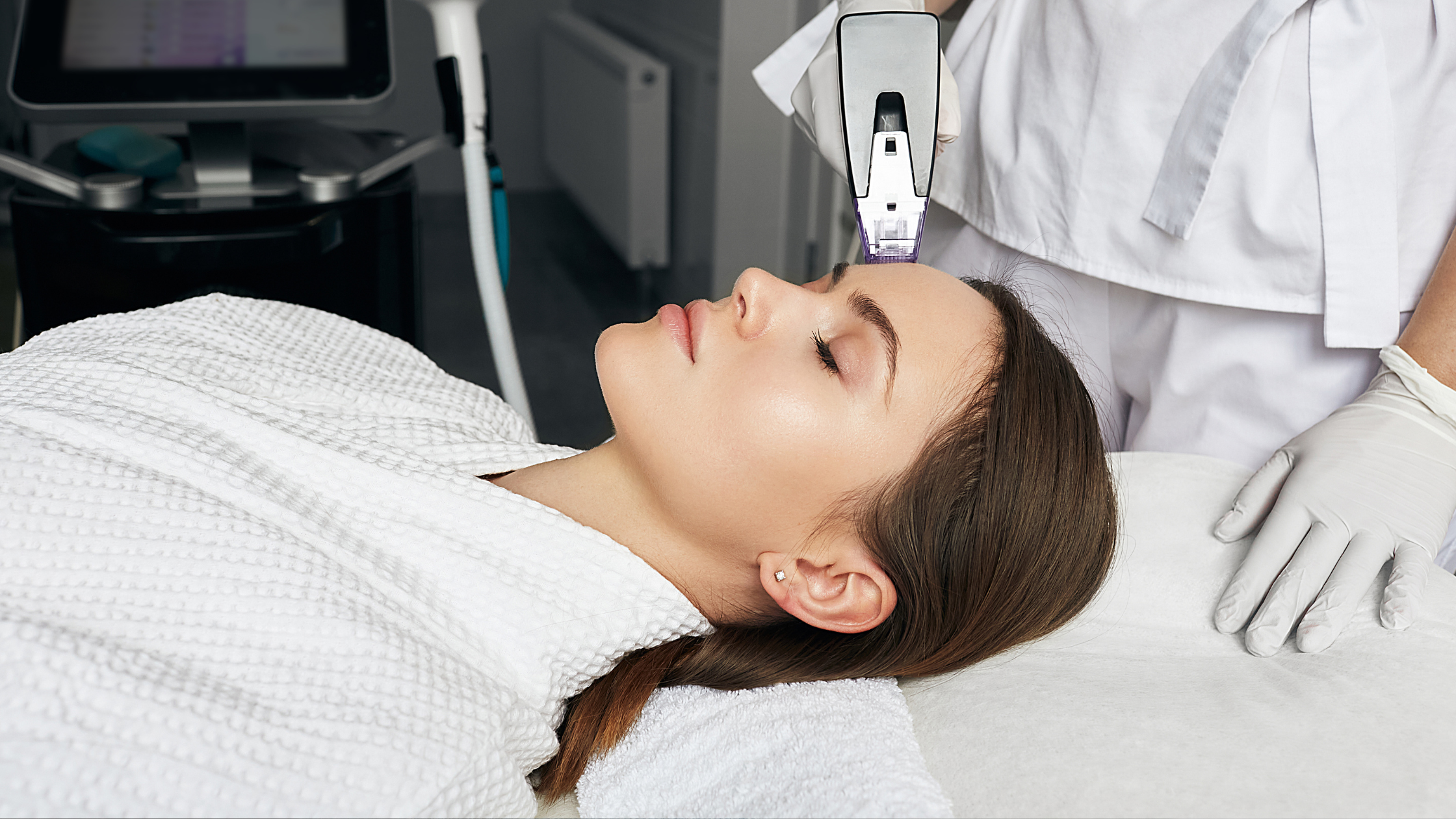
Enlarged Pores and Visible Skin Openings
Visible pores are a common concern among people with oily or combination skin. Although pores are a natural part of healthy skin, they can appear more noticeable when excess oil, congestion, and reduced skin firmness affect the complexion's appearance.
Factors associated with noticeable pores include:
Excess sebum production that contributes to a shiny complexion.
Accumulated dead skin cells that make the skin surface appear less refined.
Changes in skin elasticity that can influence the visibility of pores.
Acne Scars and Depressed Marks
Acne can leave behind more than temporary blemishes. In some individuals, previous breakouts contribute to depressions, uneven areas, and lasting irregularities in the skin surface. These changes may remain noticeable even after active acne has subsided.
Morpheus8 is often discussed in relation to certain types of atrophic acne scars, which are characterised by indentations in the skin. However, acne scars vary considerably in depth, shape, and severity, meaning that suitability cannot be determined by appearance alone.
Rough and Coarse Skin Surfaces
Rough skin can develop when the complexion feels uneven or appears less refined. Dryness, accumulated dead skin cells, irritation, and certain skin conditions may contribute to a coarse appearance.
People experiencing persistent roughness may explore different options depending on whether the concern originates from surface dryness or deeper textural irregularities. Morpheus8 may be considered for selected concerns involving skin texture, but it is not a universal solution for every cause of roughness.
Fine Lines and Textural Changes
Fine lines can make the skin appear less smooth, particularly around the forehead, cheeks, eyes, and mouth. These lines may become more noticeable as the skin changes with age, repeated facial expressions, and cumulative sun exposure.
Morpheus8 is associated with concerns involving skin texture and the appearance of fine lines. Nevertheless, fine lines can have several contributing factors, and their suitability for any particular treatment depends on their location, depth, and relationship to other skin changes.
Mild Skin Laxity and Surface Irregularities
Changes in skin firmness can influence the appearance of texture, especially when the skin looks less taut around the cheeks, jawline, or lower face. Mild laxity may create a less uniform surface, making existing pores and fine lines more noticeable.
Morpheus8 is sometimes considered for selected concerns involving skin firmness and texture. However, the degree of laxity, individual skin characteristics, and overall skin health all influence whether this option is appropriate. It is helpful to recognise that surface irregularities and loose skin are related but distinct concerns.
Acne-Related Unevenness
Even when acne does not leave deep scars, recurring breakouts can contribute to an irregular-looking complexion. Areas affected by inflammation may have a different surface appearance from the surrounding skin, particularly when blemishes recur in the same regions.
Small depressions left by previous inflammatory breakouts.
Uneven cheek surfaces associated with older acne marks.
Rough patches that occur alongside recurring congestion.
Uneven Cheek Texture
The cheeks are a frequent area of concern because pores, acne scars, fine lines, and changes in firmness can become particularly visible there. Differences in texture may be more noticeable under direct lighting or when the skin's surface reflects light unevenly.
Morpheus8 may be discussed for selected cheek-related textural concerns, especially when irregularities involve more than temporary dryness or superficial congestion. However, cheek texture can reflect several overlapping issues, so identifying the dominant concern is essential.
Skin Texture Concerns That Need Individual Assessment
Not every skin irregularity is appropriate for the same treatment option. Some concerns originate from the skin's surface, while others involve scarring, inflammation, pigmentation, or changes in firmness.
Whether the skin concern involves scars, enlarged pores, fine lines, or roughness.
Whether active acne, irritation, or another skin condition is present.
Whether the individual has sensitivity or a history of problematic pigmentation.
Professional assessment can help distinguish between these concerns and identify suitable options. People with active skin infections or significant inflammation may need to address those issues before considering certain aesthetic treatments.
Final Thoughts
Skin texture concerns can range from enlarged pores and rough patches to acne scars, fine lines, and mild laxity. Morpheus8 is an option associated with selected concerns involving the appearance of skin texture and firmness, but its suitability depends on the specific irregularity and the individual's skin characteristics. Understanding the difference between pigmentation, active acne, surface roughness, and structural scarring is an important first step in choosing an appropriate approach.