What Skincare Treatment Helps Reduce Signs of Skin Aging?
Skin aging is a natural part of life, but changes in skin texture, firmness, and appearance can become more noticeable with age. Fine lines, wrinkles, uneven pigmentation, dryness, and a loss of elasticity are among the most common concerns. Environmental exposure, lifestyle habits, and daily skincare choices can also influence how the skin looks and feels. Choosing suitable Skincare Treatments in Dubai can help address these concerns while supporting healthier-looking skin. The most appropriate approach depends on individual skin type, existing concerns, and personal skincare goals.
Why Does Skin Begin to Look Older?
As skin matures, it may become thinner, drier, and less resilient. Natural changes can affect its ability to retain moisture and maintain a smooth appearance. Several common concerns can make mature skin appear older:
Fine lines around the eyes, forehead, and mouth
Uneven skin tone and dark spots
Reduced firmness and visible sagging
Rough texture and enlarged pores
Persistent dryness and dullness
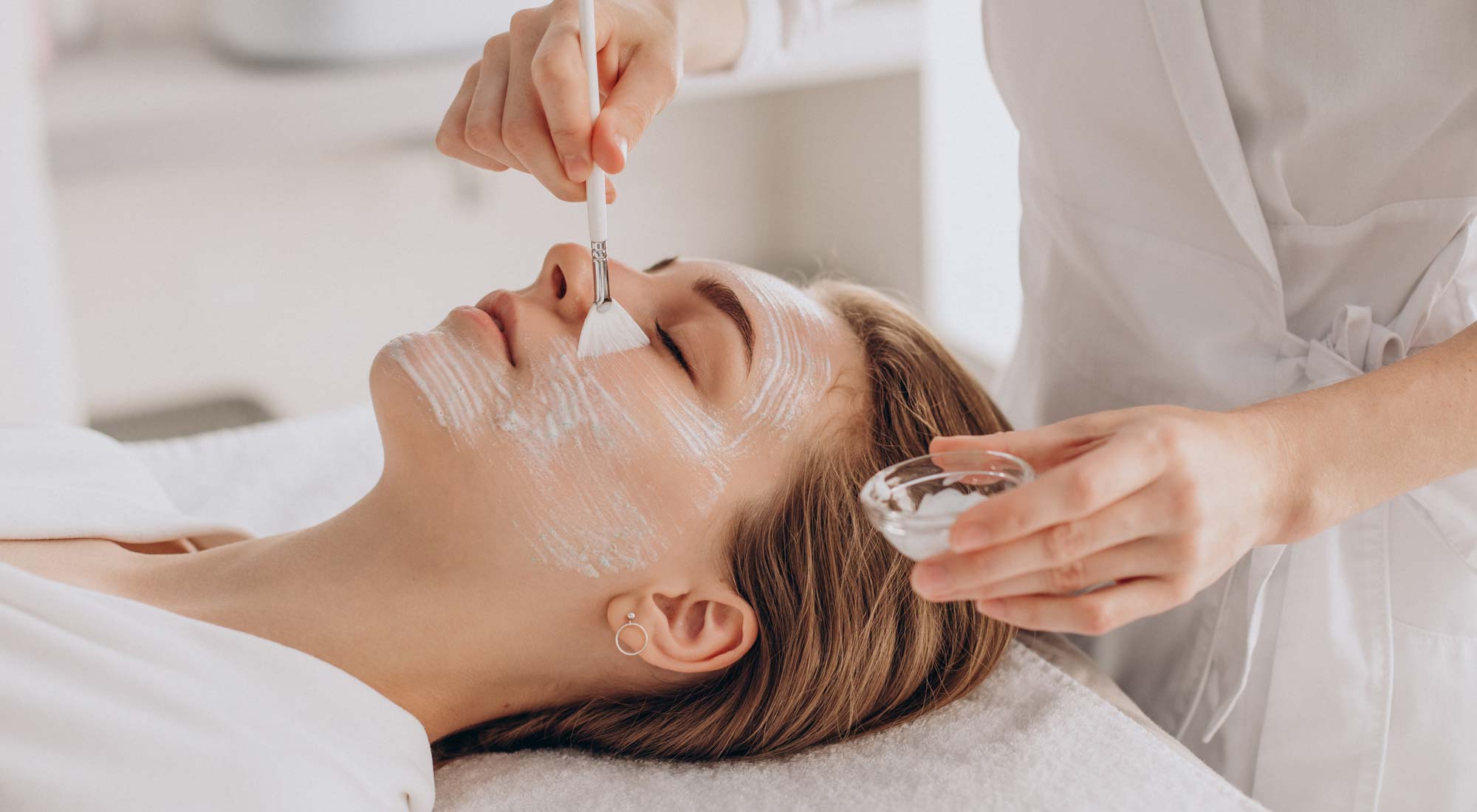
Anti-Aging Skincare with Retinoids
Retinoids, including retinol, are widely used ingredients in anti-aging skincare. They can help improve the appearance of fine lines, uneven texture, and certain forms of discoloration. Retinol is available in various over-the-counter formulations, making it a common option for people seeking to improve their skin's overall appearance.
However, retinoids may cause dryness, redness, or irritation, particularly when introduced too aggressively. People with sensitive skin should choose suitable formulations and seek professional guidance when necessary.
Chemical Exfoliation for Smoother Skin
Chemical exfoliants can help improve the appearance of rough, uneven, or dull skin. Ingredients such as alpha hydroxy acids (AHAs) and beta hydroxy acids (BHAs) are frequently included in skincare products designed to refine texture and support clearer-looking skin.
AHAs, including glycolic and lactic acid, are often used to address surface roughness and uneven tone. Salicylic acid, a BHA, may be particularly helpful for oily or blemish-prone skin.
Hydrating Treatments for Dry, Mature Skin
Moisture plays an important role in maintaining a smooth, comfortable complexion. Useful ingredients to look for include:
Hyaluronic acid: Helps attract and retain moisture.
Glycerin: Supports hydration and skin softness.
Ceramides: Help maintain the protective skin barrier.
Squalane: Helps soften skin and reduce moisture loss.
Antioxidant Skincare for Environmental Protection
Environmental factors, including ultraviolet radiation and air pollution, can contribute to visible skin aging. Antioxidant ingredients are commonly used in skincare to help protect against oxidative stress associated with these exposures.
Vitamin C is a popular antioxidant that can help improve the appearance of uneven pigmentation and support a brighter complexion. Vitamin E is another antioxidant often included in moisturizing products. Niacinamide may help support the skin barrier, improve the appearance of uneven tone, and reduce the look of enlarged pores.
Sunscreen as an Essential Anti-Aging Product
Sun protection is one of the most important elements of skincare for reducing visible signs of premature aging. Good sun-protection habits include:
Applying sunscreen to exposed skin every day.
Reapplying it approximately every two hours outdoors and after swimming or heavy sweating.
Wearing protective clothing, sunglasses, and a wide-brimmed hat.
Seeking shade when sunlight is particularly strong.
Professional Skincare Options for Aging Concerns
Some people explore professional skincare options when their concerns extend beyond what everyday products can address. Depending on individual needs, available options may include dermatologist-guided topical treatments, selected chemical peels, or non-invasive skin-rejuvenation approaches.
It is also important to distinguish between treatments that improve the skin's surface appearance and those intended to address deeper structural changes. Realistic expectations support more informed skincare decisions.
Lifestyle Habits That Support Healthy-Looking Skin
Skincare products work best as part of a broader approach to skin health. Everyday habits can influence hydration, skin comfort, and the appearance of a complexion. Helpful habits include:
Eating a balanced diet with vegetables, fruits, healthy fats, and adequate protein.
Drinking enough water to maintain normal hydration.
Getting sufficient sleep and following a consistent sleep schedule.
Avoiding smoking and limiting excessive alcohol consumption.
Managing stress through regular physical activity and relaxation.
Cleansing gently and avoiding harsh products that irritate the skin.
Choosing Skincare According to Your Skin Type
An effective anti-aging routine should reflect the skin's individual characteristics rather than following every popular trend. Dry skin may benefit from richer moisturizers, while oily skin may respond better to lightweight, non-comedogenic formulations. Sensitive skin often requires fragrance-free products and fewer active ingredients.
Introducing products thoughtfully and paying attention to skin tolerance can help prevent unnecessary irritation. A simple, consistent routine is often more practical than using numerous products simultaneously.
Final Thoughts
The most helpful skincare approach for reducing visible signs of aging combines suitable active ingredients, effective moisturization, daily sun protection, and healthy lifestyle habits. Retinoids may help improve fine lines, chemical exfoliants can refine uneven texture, antioxidants support protection against environmental stress, and hydrating ingredients help maintain a smoother appearance.