What Are the Main Benefits of Tummy Tuck Surgery?
Loose abdominal skin, stubborn folds, and weakened abdominal muscles can affect the shape of the midsection, even when someone follows a healthy lifestyle. These changes may occur after pregnancy, significant weight loss, ageing, or previous abdominal surgery. Tummy tuck surgery, also known as abdominoplasty, is designed to remove excess skin and improve abdominal contours, with muscle repair included when appropriate. For people exploring Tummy Tuck in Silicon Oasis, understanding the potential benefits and limitations can help them decide whether the procedure matches their goals.
A Firmer and Smoother Abdominal Appearance
One of the main benefits of tummy tuck surgery is the removal of loose, hanging skin that may remain after pregnancy or substantial weight loss. When the skin has lost much of its elasticity, diet and exercise may not restore its previous firmness. During surgery, the surgeon removes selected excess skin and repositions the remaining tissue to create a smoother abdominal profile. The extent of improvement depends on the amount of loose skin, the quality of the tissues, and the surgical technique used.
Improved Abdominal Contours and Body Proportions
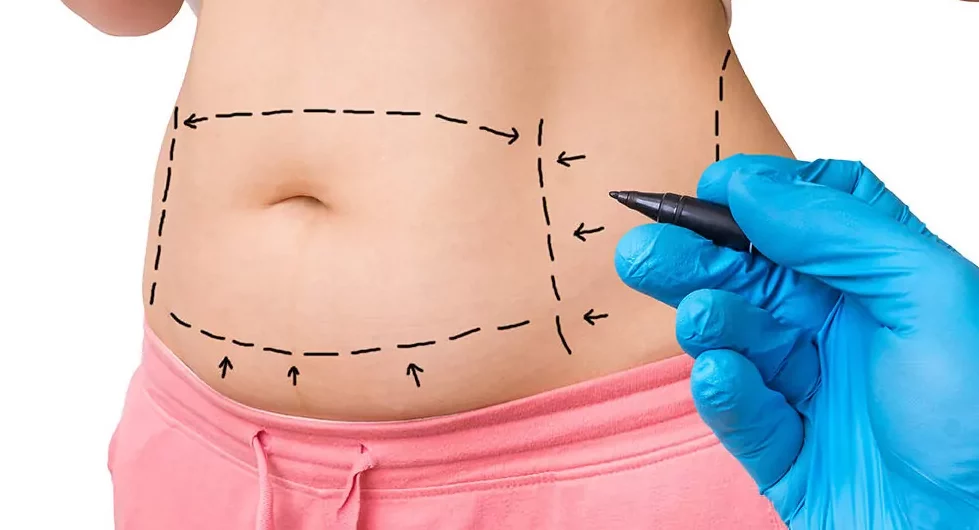
Excess skin and abdominal looseness can change the appearance of the waist and midsection. By reducing the hanging skin and refining the abdominal outline, a tummy tuck may help the stomach look flatter and more proportionate to the rest of the body. The procedure is tailored to the individual's anatomy rather than following one standard shape.
Potential contour-related benefits include:
A smoother lower abdomen
Less hanging or folded skin
A firmer-looking midsection
Improved definition around the waist
Better fit of some clothing styles
The final result varies, and a tummy tuck is not intended to produce major weight loss or replace a balanced diet and regular physical activity.
Repair of Weakened or Separated Abdominal Muscles
Pregnancy and other changes in the abdominal wall can cause the muscles to separate, a condition known as diastasis recti. In selected patients, this can contribute to a protruding abdominal appearance even after weight has stabilised. During a tummy tuck, the surgeon may tighten the abdominal wall by bringing separated muscles closer together when clinically appropriate. This can improve the abdominal contour, although it does not guarantee a particular level of core strength or resolve every cause of abdominal discomfort.
Removal of Selected Stretch Marks and Excess Skin
Stretch marks may develop when the skin stretches rapidly during pregnancy, weight changes, or growth. A tummy tuck is not a dedicated stretch-mark treatment, but some marks located on the skin being removed may be eliminated along with that tissue. Other stretch marks may remain, especially those outside the area treated. The extent of improvement depends on where the marks are located and how much skin can safely be removed.
A Potential Boost in Body Confidence
For some patients, changes in the abdomen can affect how they feel about their appearance or how comfortably they wear certain clothes. After recovery, a smoother abdominal contour may help them feel more comfortable with their body shape. However, personal satisfaction varies, and surgery cannot guarantee improved self-esteem or resolve every concern about body image. Realistic expectations and choosing the procedure for personal reasons are important parts of the decision.
Benefits After Pregnancy or Significant Weight Loss
Pregnancy and substantial weight changes can leave excess skin that does not retract fully. People who have reached a stable weight may consider a tummy tuck when these changes remain despite consistent lifestyle habits. The procedure can address loose skin and, in selected cases, abdominal muscle separation.
Before deciding, patients should consider:
Whether their weight has remained stable
Whether they plan to become pregnant in the future
Whether they have medical conditions that may affect healing
Whether they understand the expected scar and recovery period
Whether their goals can realistically be achieved through surgery
Future pregnancy or significant weight fluctuations can stretch the tissues again and alter the result, so timing should be discussed with the surgeon.
Different Tummy Tuck Approaches for Individual Needs
Not every patient requires the same extent of surgery. The appropriate technique depends on the location and amount of excess skin, muscle separation, previous scars, and the person's goals. A full tummy tuck may address a broader area of the abdomen, while a mini tummy tuck may be considered when concerns are more limited to the lower abdomen. More extensive procedures may be appropriate when excess skin extends around the flanks. The surgeon can explain which approach is suitable after examining the abdominal area.
Recovery and Long-Term Results
Tummy tuck surgery requires a recovery period, and swelling, discomfort, bruising, and temporary changes in sensation may occur. Some patients need drains or a compression garment, depending on the procedure and the surgeon's protocol. Returning to work and normal activities depends on the extent of surgery and individual healing. Patients should follow their postoperative instructions and attend follow-up appointments.
Helpful recovery practices include:
Arrange assistance at home during the early recovery period.
Take prescribed medication as directed.
Follow instructions for wound care and any surgical drains.
Walk gently as advised by the medical team to support recovery.
Avoid heavy lifting and strenuous exercise until cleared by the surgeon.
Contact the surgical team promptly if concerning symptoms develop.
Results can be long-lasting when weight remains stable, but ageing, future pregnancy, and major weight changes can affect the abdominal contour over time.
Understanding the Risks and Limitations
Although tummy tuck surgery can provide meaningful contour changes for suitable patients, it is a major operation and carries potential risks. These include bleeding, infection, fluid accumulation, poor wound healing, visible scarring, changes in skin sensation, blood clots, and the possibility of further surgery. A scar is expected, although its length and appearance vary. Tummy tuck surgery is also not a substitute for weight management and does not remove fat located deep inside the abdomen around the internal organs.
A consultation should include a discussion of medical history, smoking, medications, previous operations, likely results, and individual risk factors. Patients should ask questions until they understand both the potential benefits and the limitations.
Choosing a Tummy Tuck Provider in Silicon Oasis
When researching tummy tuck surgery in Silicon Oasis, patients should look for a suitably qualified plastic surgeon with experience in abdominal contouring. Ask about the recommended technique, expected scar placement, recovery support, follow-up care, and how complications would be managed. Before-and-after photographs can help explain the surgeon's approach, but individual results are not guaranteed. Dynamic Life Clinic is one option to consider when researching cosmetic surgery providers in Dubai. Patients should independently verify the treating surgeon's qualifications, experience, and suitability before making a decision.
Frequently Asked Questions
What is the main benefit of tummy tuck surgery?
The main benefit is removing excess abdominal skin to create a smoother, firmer-looking midsection. Muscle tightening may also be performed when appropriate.
Can a tummy tuck help after pregnancy?
It may help address loose abdominal skin and selected cases of muscle separation after pregnancy. People planning future pregnancies are generally advised to discuss postponing surgery because another pregnancy may affect the result.
Does tummy tuck surgery help with stretch marks?
It may remove some stretch marks located on the skin that is surgically removed, but it does not eliminate all stretch marks.
Is tummy tuck surgery a weight-loss procedure?
No. It is primarily a body-contouring operation for excess skin and selected abdominal muscle concerns. Patients are generally encouraged to reach a stable weight before surgery.
How long do tummy tuck results last?
Results can be long-lasting when weight remains stable, but ageing, pregnancy, and significant weight changes may alter the outcome. Individual results vary.
Conclusion
Tummy tuck surgery can improve abdominal appearance by removing excess skin, creating a smoother contour, and tightening separated abdominal muscles when appropriate. It may be helpful for people whose abdominal tissues have changed after pregnancy or significant weight loss, particularly when loose skin remains despite lifestyle efforts. However, surgery involves recovery, permanent scarring, and potential complications, and it is not a replacement for weight loss. A thorough consultation with a qualified plastic surgeon can help determine whether the procedure is suitable and establish realistic expectations for the outcome.