Who Is an Ideal Candidate for Cheek Augmentation Surgery?
Cheek augmentation surgery is a cosmetic option for people who want to improve cheek volume, enhance facial definition, or create more balanced facial proportions. Some individuals naturally have flat cheekbones, while others experience hollowing or reduced midface fullness as they age or lose weight. Cheek Augmentation in Dubai can help enhance the cheek area through techniques such as implants or fat transfer, while dermal fillers may provide a non-surgical alternative for suitable patients. The ideal candidate depends on facial anatomy, general health, treatment goals, and the method being considered. A consultation with a qualified medical professional is important to determine whether cheek augmentation is appropriate and to explain the likely results, limitations, and risks.
People Seeking Better Cheek Definition
Individuals with naturally flat or less prominent cheekbones may consider augmentation to create more noticeable midface definition. Adding volume to selected areas can enhance the appearance of the cheeks and improve the transition between the midface and surrounding features. Suitable candidates generally want a proportionate improvement rather than an exaggerated change in facial shape. The practitioner evaluates cheek projection, facial width, skin quality, and overall symmetry before recommending treatment. The aim is to complement the patient's natural features while keeping the result balanced. Since facial structure varies considerably, the amount of enhancement that looks appropriate for one person may not suit another.
Individuals Experiencing Age-Related Volume Loss
Ageing can change the distribution of facial fat and reduce the fullness of the cheeks. As volume decreases, the midface may appear hollow or less defined, and the transition between the lower eyelids and cheeks may become more noticeable. Cheek augmentation may help restore some of this lost volume and create a fuller appearance in suitable patients. However, it does not address every sign of facial ageing, including significant skin laxity, deep wrinkles, or changes in bone structure. Patients should understand which concerns can realistically improve with volume enhancement. A professional assessment can help determine whether cheek augmentation alone is appropriate or whether another approach would better address their needs.
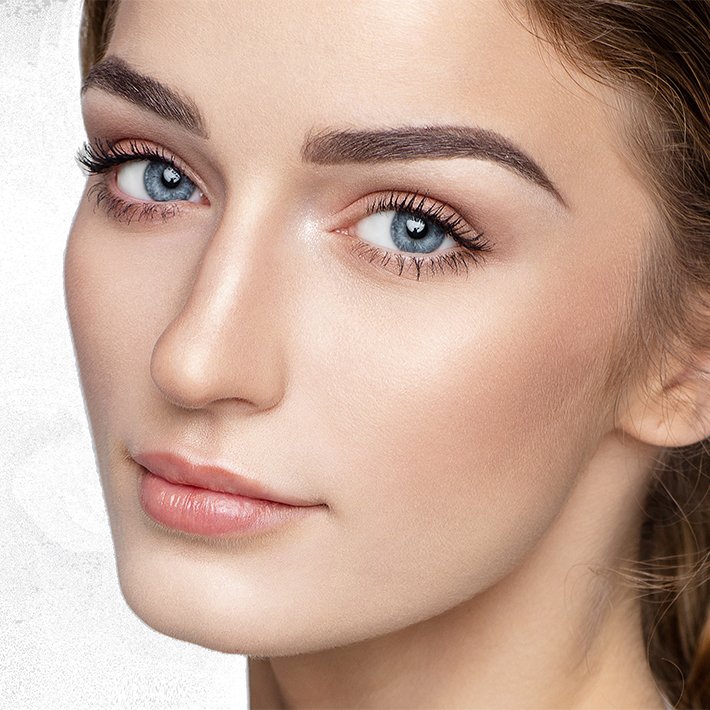
People With Realistic Cosmetic Expectations
A suitable candidate understands that cheek augmentation is intended to improve selected facial contours rather than create perfect symmetry or completely change their appearance. The results depend on the chosen technique, the patient's anatomy, and how the body responds to treatment. Surgical implants provide structural enhancement, while fat transfer may produce variable volume retention because some transferred fat is naturally absorbed. Fillers generally provide temporary results. Candidates should be comfortable discussing their goals and accepting the limitations of the procedure. People who expect guaranteed results or an exact match to another person's facial features may benefit from further consultation before making a decision.
Candidates in Good General Health
Good general health is an important consideration for anyone undergoing an elective cosmetic procedure, particularly surgery. Patients considering cheek implants or fat transfer should disclose relevant medical conditions, allergies, medications, previous operations, and any history of complications with anaesthesia or cosmetic treatments. Certain health conditions, smoking, or medications may affect healing and increase procedural risks. The treating clinician can assess these factors and determine whether treatment should proceed, be delayed, or be avoided. Patients should not stop prescribed medication without medical advice. A careful medical review helps establish whether the expected benefits justify the risks for the individual.
Individuals With Suitable Facial Anatomy
The patient's facial structure helps determine which type of cheek enhancement may be appropriate. People with limited cheek projection or volume-related hollowness may be suitable for augmentation, but the cause of the concern must be identified first. Differences caused mainly by bone structure, muscle activity, or significant skin laxity may not respond as expected to adding volume. The practitioner also considers the relationship between the cheeks, nose, eyes, chin, and jawline to avoid excessive fullness or an unbalanced appearance. In some cases, a non-surgical option may be sufficient, while others may prefer to discuss surgical approaches. The recommended treatment should match both the anatomical concern and the patient's goals.
Understanding the Different Cheek Augmentation Options
Candidates should understand the differences between the main treatment methods before deciding which approach to pursue. Cheek implants involve surgery to place an implant that provides structural volume and may require a longer recovery than injectable treatments. Fat transfer uses fat collected from another area of the body, processed, and injected into the cheeks; some of the transferred fat may not survive. Dermal fillers can provide temporary volume without surgery, but they still carry risks and require an appropriately trained medical professional. Each method has distinct benefits, limitations, and potential complications. The best option depends on the desired degree of enhancement, medical suitability, tolerance for surgery, and the clinician's assessment.
Checkpoint: Signs of a Potentially Suitable Candidate
Several factors can help determine whether a person may be suitable for cheek augmentation.
Clear treatment goals: The person wants to improve cheek volume, projection, or facial balance.
Realistic expectations: They understand that improvement is possible but perfect symmetry cannot be guaranteed.
Suitable health status: A medical assessment indicates that the proposed treatment can be considered safely.
Appropriate facial anatomy: The concern is likely to respond to the selected augmentation method.
Understanding of recovery: The person is prepared to follow aftercare instructions and attend follow-up visits.
Awareness of risks: They understand potential complications and have had the opportunity to discuss them with a qualified professional.
Frequently Asked Questions
What age is suitable for cheek augmentation surgery?
The appropriate age depends on the patient's facial development, medical suitability, and reasons for seeking treatment. Elective cosmetic surgery is generally considered only after facial growth is complete, with additional assessment required for younger patients. A qualified professional can explain whether treatment is appropriate for an individual's circumstances.
Can someone with naturally hollow cheeks undergo cheek augmentation?
Yes, some people with naturally hollow cheeks may benefit from volume enhancement. Suitability depends on whether the hollowness is caused by soft-tissue volume, bone structure, or another factor. The practitioner should assess the cause before recommending a treatment.
Is cheek augmentation suitable for everyone with flat cheekbones?
No. Although augmentation may improve cheek projection in suitable patients, it is not appropriate for everyone. Facial anatomy, health history, expectations, and the potential risks of treatment must be considered before a decision is made.
Can cheek augmentation be performed without surgery?
Yes, dermal fillers may provide temporary cheek enhancement without an operation. Fat transfer and cheek implants are more invasive options with different recovery requirements and risks. A qualified practitioner can explain which methods are appropriate for the patient's goals.
Who should avoid cheek augmentation surgery?
People with certain uncontrolled medical conditions, active infections in the treatment area, unsuitable anatomy, or expectations that cannot reasonably be achieved may need to postpone or avoid treatment. The decision should follow an individual medical assessment rather than a general checklist.
Professional Guidance at Dynamic Life Clinic
People considering cheek augmentation can seek a consultation to discuss their facial proportions, medical history, desired outcome, and available treatment methods. Dynamic Life Clinic can provide information about cosmetic options and the assessment process. Before proceeding, patients should ask about the practitioner's qualifications, experience with the recommended technique, expected recovery, possible complications, and the likely duration of results. A responsible treatment plan should be based on individual needs, clear communication, and realistic expectations rather than a promise of a particular facial shape.
Conclusion
The ideal candidate for cheek augmentation is someone who wants to improve cheek volume or definition, has realistic expectations, and is medically suitable for the chosen treatment. Facial anatomy, general health, and the cause of the concern all influence whether surgery or a non-surgical option is appropriate. Understanding the differences between implants, fat transfer, and fillers helps patients make informed decisions. A professional consultation is the best way to evaluate suitability, discuss potential risks, and develop a treatment plan that supports natural-looking facial balance.