What Types of Skin Moles Can Be Treated With Mole Removal?
Skin moles are common skin growths that can differ in colour, shape, size, and texture. While many moles are harmless, some people may find them uncomfortable, noticeable, or concerning because of changes in their appearance. Understanding which types may be suitable for removal helps people make informed decisions about their skin health. When exploring Mole Removal in Dubai, it is important to recognise that not every mole is the same, and suitability for treatment depends on its characteristics, location, and medical assessment.
Common Benign Skin Moles
Common benign moles are noncancerous growths that may appear during childhood, adolescence, or adulthood. They can develop almost anywhere on the body and usually have a consistent appearance. These moles may be flat or slightly raised, with colours ranging from light brown to dark brown.
Many ordinary moles do not require removal for medical reasons. However, a person may consider having a mole assessed if it catches on clothing, becomes irritated, or affects their comfort.
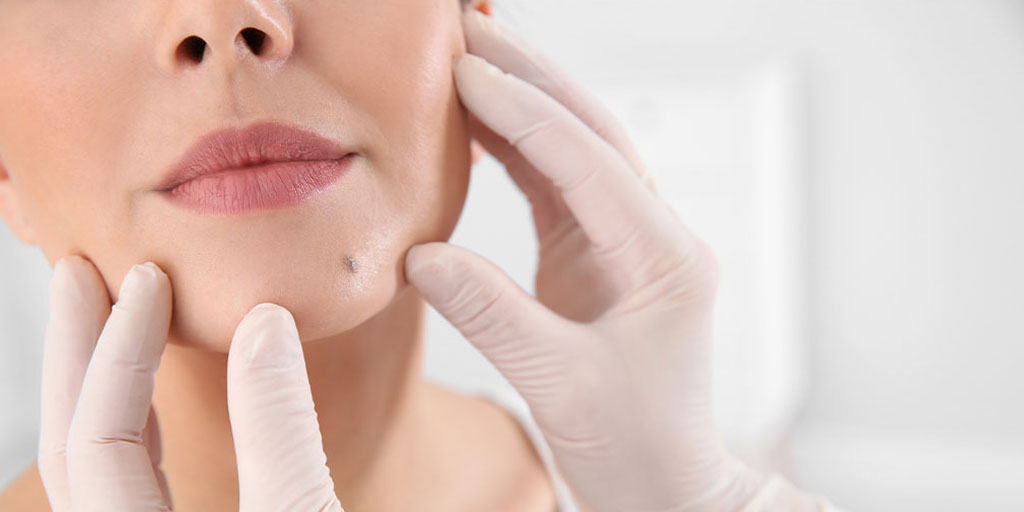
Raised Moles on the Skin
Raised moles extend above the surrounding skin and may feel smooth, rounded, or slightly uneven. Their colour can match the surrounding skin or appear brown, tan, or darker.
Factors that may make a raised mole worth evaluating include:
Frequent rubbing against collars, jewellery, or clothing.
Repeated irritation during shaving or grooming.
Changes in colour, shape, size, or surface texture.
Persistent discomfort or unexplained bleeding.
Flat Brown and Black Moles
Flat moles sit level with the surrounding skin and may appear as small, evenly coloured spots. They commonly develop on areas exposed to sunlight, although they can occur anywhere on the body.
Flat moles may be considered for removal when medically appropriate, but their appearance should be assessed before any decision is made. A dark spot that resembles a mole could have a different cause, so identifying the growth correctly is essential.
Congenital Moles Present From Birth
Congenital moles are present at birth or become apparent shortly afterwards. They vary considerably in size, colour, and texture. Some are small and relatively uniform, while others cover larger areas of skin.
Important characteristics to discuss with a dermatologist include:
Whether the mole has changed over time.
Its size and location on the body.
Any unusual pigmentation or surface changes.
A personal or family history of concerning skin lesions.
Atypical or Dysplastic Moles
Atypical moles, also called dysplastic nevi, may have irregular borders, uneven colouring, or shapes that differ from ordinary moles. They can resemble melanoma, a serious form of skin cancer, although an atypical mole is not necessarily cancerous.
These growths deserve careful evaluation because their appearance can make visual identification difficult. A dermatologist may recommend additional assessment when a mole has unusual features or changes over time. Removal may be considered in selected cases, particularly when examination raises concerns. However, not every atypical mole requires removal.
Facial Moles
Facial moles can occur on the forehead, cheeks, nose, chin, eyelids, and around the lips. They may be flat or raised and can vary in pigmentation.
Before considering removal, it is important to establish whether the growth is a benign mole or another type of skin lesion. Its location and characteristics influence whether removal is suitable. Any unusual facial spot should be evaluated rather than assumed to be harmless based on its small size.
Moles on the Neck and Body
Moles on the neck, shoulders, back, chest, and other body areas can become irritated through everyday activities. Friction from clothing, straps, and accessories may make certain growths uncomfortable.
These moles are not necessarily medically concerning simply because they experience friction. However, repeated irritation or noticeable changes can justify a professional assessment. Areas that may need particular attention include the back, where moles can be difficult to observe, and the neck, where collars or jewellery may repeatedly rub against raised growths.
Moles That Change in Appearance
Warning signs include:
Asymmetry: One half looks different from the other.
Border changes: The edges become irregular or poorly defined.
Colour variation: Several colours appear within the same mole.
Diameter: The mole becomes larger, although concerning lesions can also be small.
Evolution: Its size, shape, colour, elevation, or symptoms change.
Moles That May Not Be Suitable for Routine Removal
Some skin growths look like moles but may actually be warts, seborrhoeic keratoses, skin tags, or other lesions. Their appearance can overlap, making self-identification unreliable.
Removing or destroying a suspicious growth without proper assessment may interfere with an accurate diagnosis. Professional examination is particularly important when a spot grows rapidly, develops an irregular appearance, bleeds without an obvious cause, or differs from a person's other moles.
Final Thoughts
Several types of skin moles, including common benign moles, raised growths, flat pigmented spots, congenital moles, and selected atypical moles, may be considered for removal depending on their individual characteristics. Facial and body moles may also warrant assessment when they cause irritation or personal concern. However, appearance alone cannot reliably establish whether every mole is harmless. Changes in colour, shape, size, or texture should always be taken seriously.